This paper where I acted as a co-author is now online and can be downloaded for free till the end of November at science direct.
In this paper, we present the GLID method to integrate verbal, material and other co-design outcomes in a structured and coherent analysis. GLID aims to increase internal rigor and transparency in Participatory Design practices and wants to go beyond the surface level of ideas, by identifying participants’ values embedded in co-design outcomes. We discuss GLID’s theoretical groundings in multimodality and a values-led approach to Participatory Design, and present a case study with primary school children. This case study demonstrates how the different stages of the GLID method can be applied in practice. Based on the case study, we reflect on how GLID contributes to a holistic, situated and more empathic understanding in co-design practices.
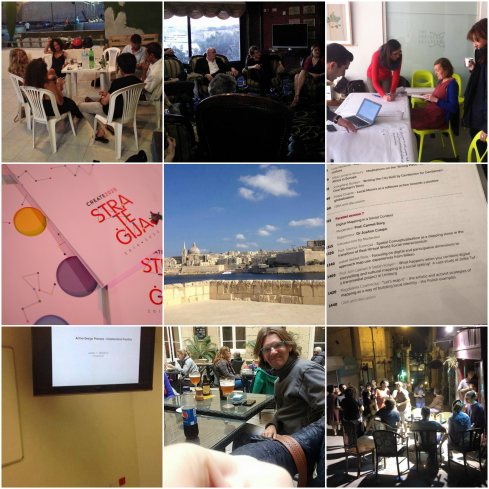
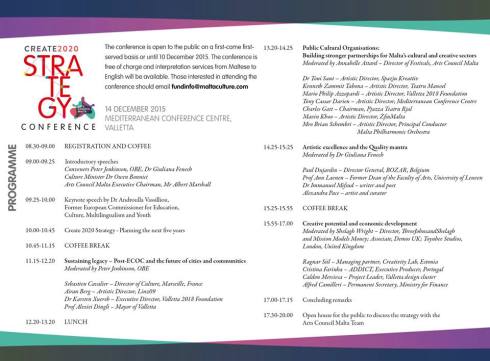
 It has been a pleasure to have been part of the last stages of this exciting process and to be on the panel about artistic excellence on which I talked about measuring the unmeasurable and about the peer assessment exercise with the students of Digital Arts.
 Active Design Processes – Collaborative Practice – A course for the 3rd years Digital Design at the Faculty of Media and Knowledge Sciences at the University of Malta . Nice group of students. Loving it!